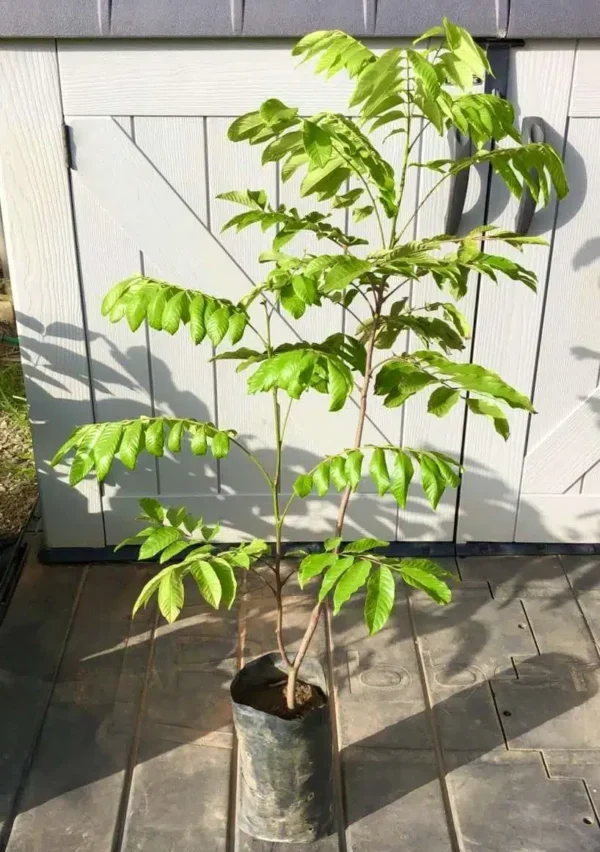
Premium Grafted Pulasan Fruit Tree Nephelium Mutabile Rambutan selected for Australian tropical fruit lovers.
SEO-ready product targeting Buy Grafted Pulasan Fruit Tree Nephelium Mutabile Rambutan online in Australia with luxury, tropical and health-focused appeal.
Fresh, aromatic and naturally vibrant produce for snacking, gifting, recipes and entertaining.
Available with quantity options such as seasonal box sizes and available product options.
Marked in stock and structured for direct WooCommerce import with clean product variations.
Grafted Pulasan Fruit Tree Australia – Premium Nephelium mutabile
Grow Your Own Premium Pulasan Fruit in Australia
For tropical fruit enthusiasts looking to expand their backyard orchard, the Grafted Pulasan Fruit Tree is a rewarding and unique addition. Closely related to the rambutan, pulasan (Nephelium mutabile) is prized for its exceptionally sweet, juicy flesh and rich tropical flavour. Its attractive fruit, glossy evergreen foliage, and potential for earlier fruit production when grafted make it a favourite among collectors and home growers in suitable Australian climates.
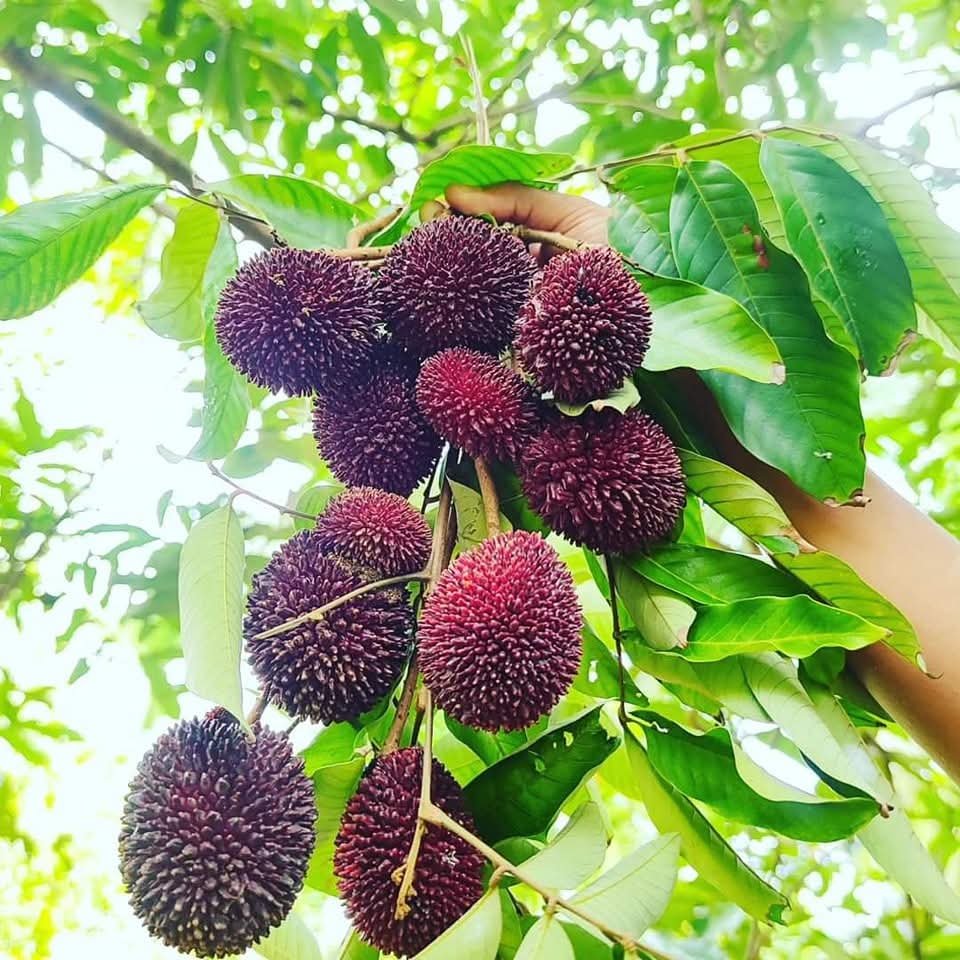
Native to Southeast Asia, pulasan remains relatively uncommon compared to rambutan, making it a sought-after tree for gardeners who enjoy cultivating rare and exotic fruit. The fruit is renowned for its thick, leathery skin covered with short, fleshy spines that conceal translucent white flesh with a rich, aromatic taste.
At Tropical Fruits Market Australia, we carefully source healthy grafted Pulasan trees that are selected for strong growth and quality. Grafted trees are generally chosen by growers because they often establish more predictably and may begin producing fruit sooner than seedlings, although fruiting time depends on climate, care, and growing conditions.
Whether you’re creating a tropical food garden, adding diversity to your orchard, or searching for a rare fruit tree to complement your collection, our Grafted Pulasan Fruit Tree offers an exciting opportunity to grow one of Southeast Asia’s most highly regarded tropical fruits.
What is Grafted Pulasan Fruit Tree Australia?
The pulasan (Nephelium mutabile) belongs to the soapberry family (Sapindaceae), the same botanical family as rambutan (Nephelium lappaceum) and lychee (Litchi chinensis). Although the fruits are closely related, pulasan has several distinctive characteristics that set it apart.
Pulasan trees are evergreen and produce dense canopies of glossy green leaves. Under suitable tropical conditions, mature trees develop clusters of colourful fruit with thick reddish to deep maroon skins and short, blunt spines. Inside, the translucent flesh is firm, juicy, and naturally sweet.
A grafted Pulasan tree is produced by joining desirable fruiting wood from a selected parent tree onto a compatible rootstock. This propagation method helps preserve the characteristics of the parent variety and is widely used for many premium fruit trees.
Typical characteristics include:
Botanical name: Nephelium mutabile
Evergreen tropical fruit tree
Closely related to rambutan
Attractive ornamental foliage
Sweet, aromatic white flesh
Thick, colourful fruit skin with soft spines
Suitable for tropical and frost-free subtropical regions
Pulasan trees thrive in warm, humid climates with well-drained soil and protection from prolonged cold. In Australia, they are generally best suited to tropical and some frost-free subtropical regions where environmental conditions closely resemble their native habitat.
Why Choose Our Grafted Pulasan Fruit Tree?
Growing premium tropical fruit starts with selecting healthy planting stock. Our grafted Pulasan trees are chosen with quality and long-term performance in mind.
Healthy Grafted Trees
Each tree is selected for healthy growth, good structure, and vigorous development before dispatch.
Earlier Fruiting Potential
Because the tree is grafted rather than grown from seed, it may begin producing fruit sooner under suitable growing conditions and proper care, although timing varies depending on the environment and cultivation practices.
Ideal for Tropical Fruit Collectors
Pulasan remains one of the rarer fruit trees available in Australia, making it an excellent choice for collectors and home orchard enthusiasts seeking something different.
Attractive Landscape Tree
Beyond its delicious fruit, the Pulasan tree features lush evergreen foliage that creates a beautiful tropical appearance in home gardens.
Carefully Packed for Delivery
Our trees are packed with care to help protect the root system and foliage during transport, supporting a smooth transition to their new growing environment.
Suitable for:
Home orchards
Tropical food forests
Rare fruit collections
Lifestyle properties
Educational gardens
Tropical landscaping
Gifting to gardening enthusiasts
Taste Profile
Pulasan is often described as one of the finest tropical fruits in the Sapindaceae family.
Flavour
The flesh offers an exceptionally sweet taste with rich tropical notes and subtle hints of honey, lychee, and ripe berries. Many enthusiasts appreciate its balanced sweetness and complex flavour profile.
Aroma
When fully ripe, the fruit develops a pleasant floral fragrance with gentle tropical aromas that complement its sweet flesh.
Texture
The translucent flesh is firm yet juicy, separating relatively easily from the seed in some cultivars. Its smooth consistency provides an enjoyable eating experience.
Appearance
Pulasan fruit is instantly recognisable by its deep red to maroon skin covered with short, thick, blunt spines. When opened, the fruit reveals glossy white to translucent flesh surrounding a single seed.
As with many tropical fruits, appearance may vary slightly depending on the variety, maturity, and growing conditions.
Nutritional Profile
Like other members of the lychee and rambutan family, pulasan contributes a range of naturally occurring nutrients as part of a balanced diet.
Colourful plant compounds that contribute to its appearance
The exact nutritional composition may vary according to growing conditions, variety, and ripeness.
Fresh pulasan is valued not only for its flavour but also for its refreshing, juicy flesh.
General Nutrition Benefits
Including a variety of fresh fruit in your diet supports overall healthy eating habits, and pulasan can be a delicious addition when available.
As part of a balanced diet, pulasan may:
Contribute vitamin C, which supports normal immune function and collagen formation.
Provide dietary fibre that supports normal digestive health.
Supply naturally occurring carbohydrates that provide energy.
Help increase overall fruit consumption with its sweet, refreshing flavour.
Add a diverse range of plant-based nutrients to your meals.
Rather than focusing on any single nutrient, pulasan is best enjoyed as part of a varied diet rich in fruits and vegetables.
Delicious Ways to Enjoy Pulasan Fruit
One of the greatest rewards of growing your own Pulasan tree is harvesting fresh fruit to enjoy straight from the tree.
Fresh Eating
Simply twist open the fruit and enjoy the juicy flesh as a refreshing tropical snack.
Fruit Platters
Serve pulasan alongside:
Rambutan
Lychee
Mangosteen
Dragon fruit
Mango
Longan
to create an impressive tropical fruit platter.
Breakfast
Add fresh pulasan flesh to:
Yoghurt
Smoothie bowls
Fruit salads
Overnight oats
Muesli
for a naturally sweet start to the day.
Desserts
Pulasan pairs beautifully with:
Coconut desserts
Ice cream
Sorbet
Tropical pavlova
Fresh fruit tarts
Cheesecake toppings
Refreshing Drinks
Blend the flesh into:
Smoothies
Fresh juices
Tropical mocktails
Fruit punches
Chilled cocktails
for a vibrant tropical flavour.
Gourmet Recipes
Pulasan can also complement:
Fresh summer salads
Cheese boards
Tropical salsas
Exotic fruit compotes
Entertaining platters
Growing your own grafted Pulasan tree gives you the opportunity to harvest fruit at peak ripeness, allowing you to experience its exceptional flavour and freshness straight from your garden.
5 reviews for Grafted Pulasan Fruit Tree Australia | Premium Tropical Tree







Max (verified owner) –
Very fast delivery.
Ryker (verified owner) –
Good quality.
Richard (verified owner) –
Good quality.
Kayden (verified owner) –
Good quality.
Robert (verified owner) –
Very fast delivery.