Order Ciruela Fruit Box – Mexican Plum (Spondias purpurea)
Discover the Distinctive Flavour of Fresh Ciruela
If you’re looking for an unusual tropical fruit with a refreshing combination of sweetness and acidity, a Ciruela Fruit Box is an exciting addition to your fruit selection. Also known as Mexican plum, jocote, or Spanish plum in different regions, Ciruela is the fruit of Spondias purpurea, a tropical species native to Mexico and Central America.
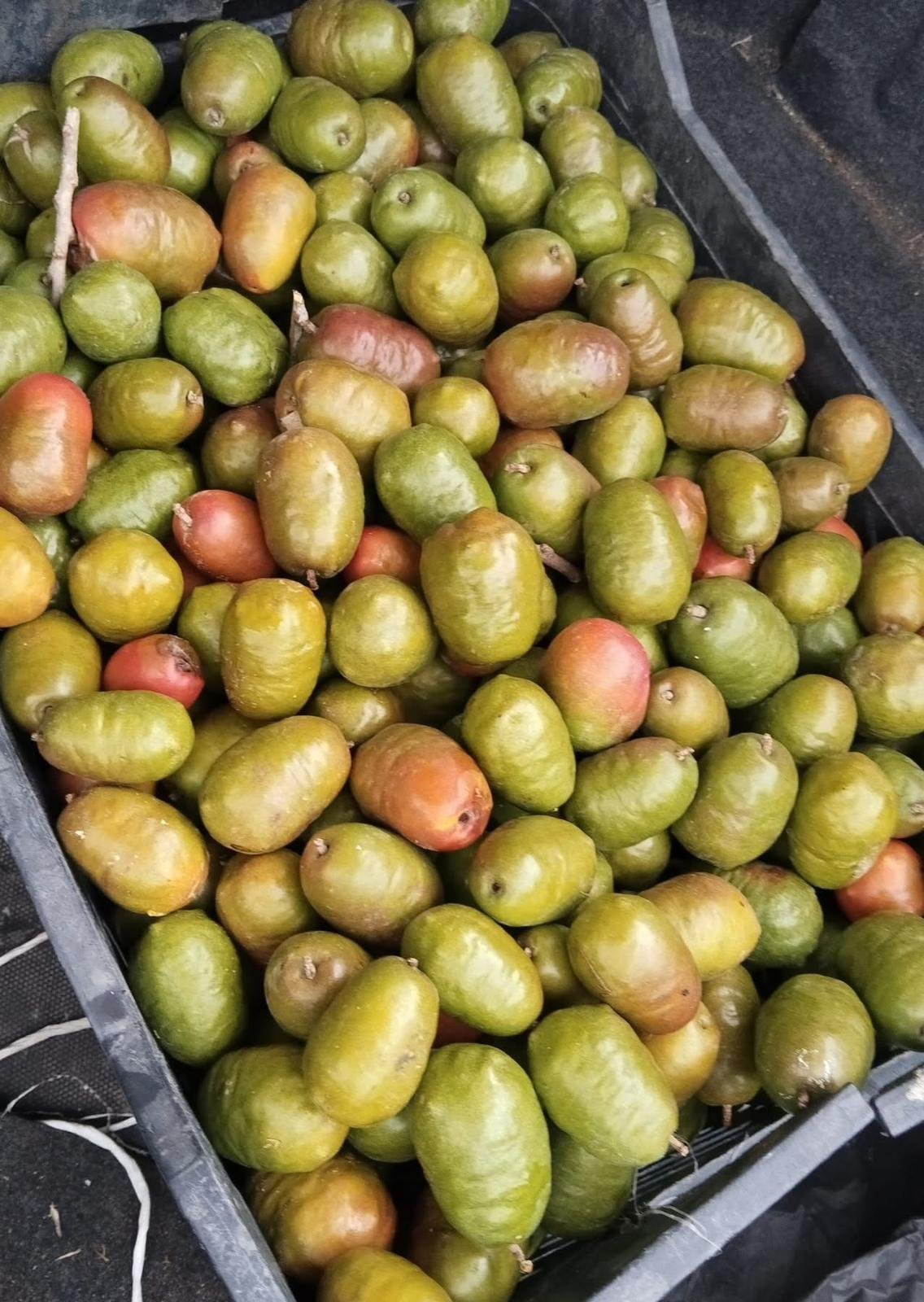
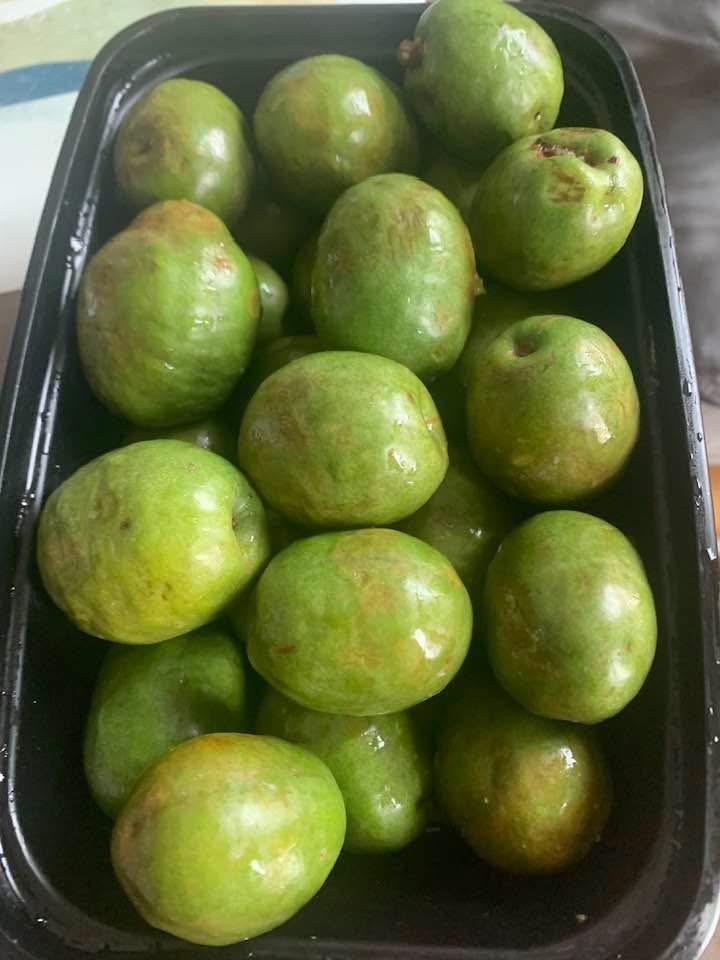
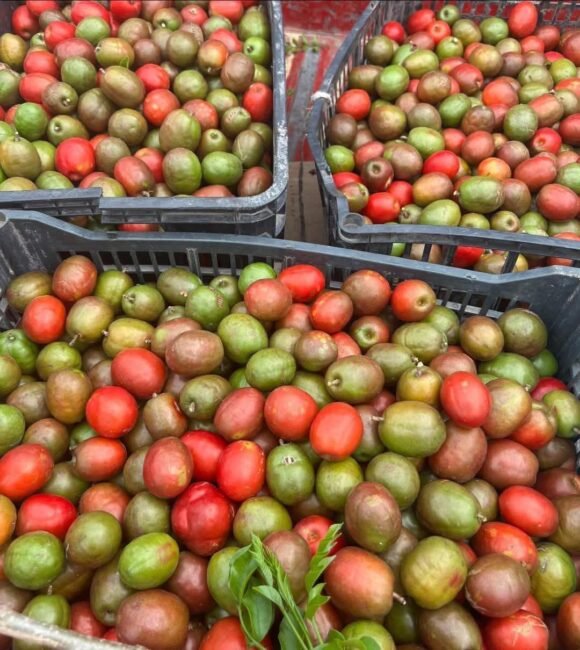
Unlike the large, soft European plums commonly found in Australian supermarkets, Mexican plum is generally smaller and has its own distinctive tropical character. The fruit can develop green, yellow, orange, red, reddish-purple or violet colouring depending on the cultivar and stage of maturity. Its flesh can range from pleasantly tart when less ripe to noticeably sweeter as the fruit matures.
Ciruela is particularly appealing to people who enjoy discovering fruits that aren’t part of the standard supermarket selection. It can be eaten fresh, used in refreshing drinks, transformed into jams and preserves, or incorporated into a variety of sweet and savoury preparations.
A carefully selected Mexican Plum Fruit Box gives you the opportunity to experience this traditional Mesoamerican fruit at home. Whether you’re familiar with jocote from Latin American cuisine or simply want to try an unusual tropical fruit, Ciruela offers an eating experience that’s distinctly different from conventional plums.
The fruit’s naturally varied flavour is part of its appeal. Some fruits have a pronounced tanginess, while fully mature examples can be considerably sweeter. Research examining different Spondias purpurea collections has demonstrated substantial variation in fruit size, colour, sweetness and acidity, so characteristics can differ between varieties and growing regions.
What is Ciruela Fruit?
Ciruela, commonly called Mexican plum, is the fruit of Spondias purpurea L., a member of the Anacardiaceae family. It is native to tropical regions of Mexico and Central America and is now cultivated across various tropical and subtropical regions.
The fruit is botanically a drupe and is typically small, with an oblong, rounded or oval shape. Depending on the cultivar, mature fruit can range from around 2 to 5 centimetres in length and can develop colours ranging from yellow and orange through to deep red, purple or violet.
Inside the relatively thin skin is juicy, aromatic flesh surrounding a harder, fibrous stone. Both immature and mature fruit are traditionally consumed in the regions where Ciruela is grown. Less mature fruit tends to have a sharper, more acidic character, while ripening generally brings greater sweetness and softer texture.
The name jocote is particularly common throughout parts of Central America, while ciruela mexicana is widely used in Spanish-speaking regions. The many local names associated with the species reflect its long history as an important traditional fruit crop.
For Australian tropical-fruit enthusiasts, Spondias purpurea provides an opportunity to explore a fruit with deep cultural and horticultural roots rather than simply another variation of the familiar European plum.
Why Choose Our Ciruela Fruit Box?
Ciruela is a fruit where freshness and maturity can make a significant difference to the eating experience. Our approach focuses on providing carefully selected tropical produce while taking the fruit’s natural characteristics into account.
A Truly Different Tropical Fruit
Mexican plum offers something different from conventional Australian supermarket plums. Its smaller size, tropical background and sweet-tart flavour make it an interesting choice for adventurous fruit lovers.
Naturally Varied Flavour
One of the fascinating characteristics of Spondias purpurea is the diversity found among different fruit types. Scientific studies have documented considerable variation in colour, size, sweetness and acidity between collections.
Ideal for Fresh Eating
When ripe, Ciruela can be enjoyed directly as a juicy snack. Its refreshing acidity can make it particularly appealing on warm days.
Great for Recipes
Beyond eating fresh, Mexican plum can be used in traditional and modern preparations including:
- Fresh fruit salads
- Juices
- Jams
- Preserves
- Sauces
- Desserts
- Tropical drinks
Mexican agricultural sources specifically note fresh consumption as well as uses such as jams and juices.
A Great Choice for Tropical Fruit Enthusiasts
A Ciruela Fruit Box is particularly suited to:
- Exotic fruit lovers
- Latin American food enthusiasts
- Tropical fruit collectors
- Fruit-tasting experiences
- Gourmet entertaining
- Fresh fruit platters
- Homemade preserves
- Tropical recipe experimentation
Taste Profile
Ciruela’s flavour is one of its most interesting characteristics because it can change noticeably as the fruit progresses from immature to ripe.
Flavour
Less mature fruit tends to have a sharper, more acidic flavour, while ripe fruit develops greater sweetness. Depending on the cultivar, the balance can range from distinctly tart to pleasantly sweet and juicy.
Aroma
Ripe Mexican plum has a fresh, fruity aroma that complements its sweet-tart flavour. The intensity can vary between cultivars and maturity stages.
Texture
The flesh is juicy and relatively soft when ripe. A firm, fibrous stone remains in the centre, so the fruit is generally eaten around the stone rather than consumed whole.
Appearance
Ciruela can be particularly colourful. Depending on the variety, the skin may appear green, yellow, orange, red, reddish-brown, purple or violet. This natural diversity makes a box of Mexican plums visually appealing as well as delicious.
Ripeness
Ripeness significantly influences flavour. Green or immature fruit tends to be firmer and more acidic, while mature fruit becomes softer and sweeter. Because Spondias purpurea encompasses considerable natural variation, exact colour and flavour at maturity can differ between cultivars.
Nutritional Profile
Fresh Ciruela can contribute naturally occurring nutrients as part of a balanced diet. Published research on Spondias purpurea reports that mature fruit contains carbohydrates, vitamin C and minerals including potassium, although the exact composition varies according to cultivar, maturity and growing conditions.
The fruit naturally provides:
- Vitamin C
- Potassium
- Dietary fibre
- Naturally occurring carbohydrates
- Water
- Plant compounds including polyphenols and carotenoid pigments
The fruit’s red, purple and other colourful skins are associated with naturally occurring plant compounds, while its vitamin and mineral content contributes to its overall nutritional profile.
Rather than treating Ciruela as a source of any single nutrient, it is best enjoyed as part of a varied diet containing a broad selection of fresh fruit and vegetables.
General Nutrition Benefits
Including a variety of fruit in your everyday diet is an easy way to increase your intake of naturally occurring vitamins, minerals, fibre and plant compounds.
Ciruela can contribute vitamin C, which supports normal immune function and collagen formation, while its naturally occurring dietary fibre contributes to normal digestive function. The fruit also provides potassium and naturally occurring carbohydrates.
Its nutritional composition can vary considerably between different Spondias purpurea types, so precise nutrient values shouldn’t be assumed for every fruit. Research has demonstrated substantial differences between Mexican plum collections in characteristics including sugar concentration and acidity.
The best reason to include Ciruela in your fruit selection, therefore, is its combination of nutritional variety, refreshing flavour and culinary versatility.
Delicious Ways to Enjoy Ciruela
Eat Fresh
Wash ripe Ciruela and enjoy the juicy flesh directly around the central stone. Its sweet-tart flavour makes it a refreshing snack between meals.
Fruit Salads
Slice or prepare the fruit alongside:
- Mango
- Pineapple
- Papaya
- Watermelon
- Passionfruit
- Dragon fruit
The tartness of Ciruela can provide an excellent contrast to sweeter tropical fruits.
Fresh Juices
Blend ripe Mexican plums with other tropical fruits to create refreshing homemade drinks. Mango, pineapple and citrus can work particularly well alongside its naturally tangy character.
Jams and Preserves
Ciruela has a long culinary tradition in regions where it is cultivated and can be used to prepare jams, preserves and other fruit products.
Tropical Desserts
Try the fruit in:
- Fruit compotes
- Sorbets
- Homemade ice blocks
- Fruit sauces
- Chilled desserts
- Tropical yoghurt bowls
Mexican and Latin American-Inspired Recipes
Use Ciruela to explore traditional flavour combinations or create your own contemporary recipes inspired by Latin American cuisine.
Fresh Fruit Platters
Its vibrant colour and unusual appearance make Mexican plum an excellent addition to an exotic fruit platter, particularly when served alongside familiar fruits such as mango, pineapple and watermelon.
For the best experience, enjoy the fruit according to its natural stage of maturity. A less ripe Ciruela can provide an appealing sharpness, while a fully mature fruit offers a softer texture and greater sweetness.


Isla Ryan (verified owner) –
Excellent packaging and quality.
Jasmine Robinson (verified owner) –
Everything arrived ready to enjoy.
Bryce Scott (verified owner) –
Every piece was carefully selected.
Hazel Thompson (verified owner) –
Fresh and flavorful selection.
Amelia Stone (verified owner) –
Excellent ripeness and flavor.
Samuel Mills (verified owner) –
Everything tasted fantastic.